
Is an Electric Lock Mandatory for RFID Access Control? An Architectural Perspective
In the world of security integration, RFID technology is often synonymous with physical door security. This has led to a common industry misconception: "An RFID access control system must include an electric lock." From a system architecture and OEM RFID module design standpoint, this assumption is fundamentally incomplete.
The core value of RFID lies in Identity Authentication and Authorization Logic. Whether a physical electric lock is required depends entirely on the application's execution requirements, not the RFID technology itself.
Deconstructing the RFID Access Control Architecture
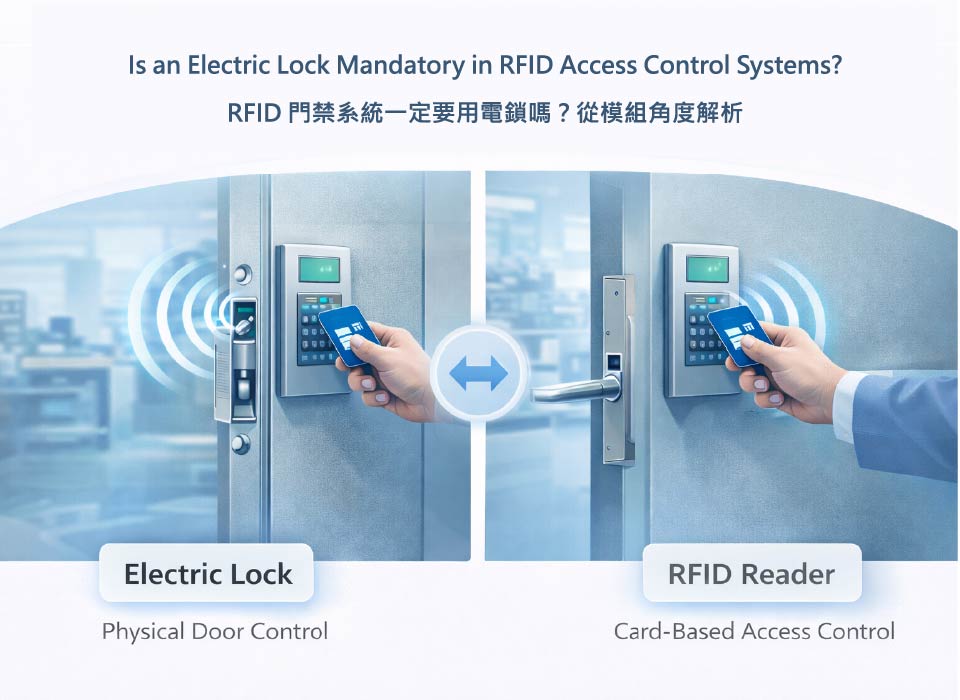
A sophisticated RFID system operates across three distinct functional layers. Understanding this decoupling is key for System Integrators (SIs) looking to build flexible solutions:
1. The Identification Layer (The RFID Module)
- Function: Captures Tag/Card UID or encrypted data blocks.
- Security: Executes high-level authentication (e.g., MIFARE DESFire EV2/EV3, HID iCLASS).
- Result: Transmits raw data or an "Authorized/Denied" status to the controller.
2. The Control Logic Layer (The Processor)
- Function: Evaluates database permissions, time zones, and anti-passback rules.
- Decision: Triggers a specific action based on the identified user.
3. The Execution Layer (The Actuator)
- Options: Electric strikes, magnetic locks, motor drivers, PLC triggers, or software APIs.
An electric lock is merely one possible actuator among many. In modern industrial IoT, the "lock" is often digital rather than mechanical.
High-Growth Applications Without Physical Electric Locks
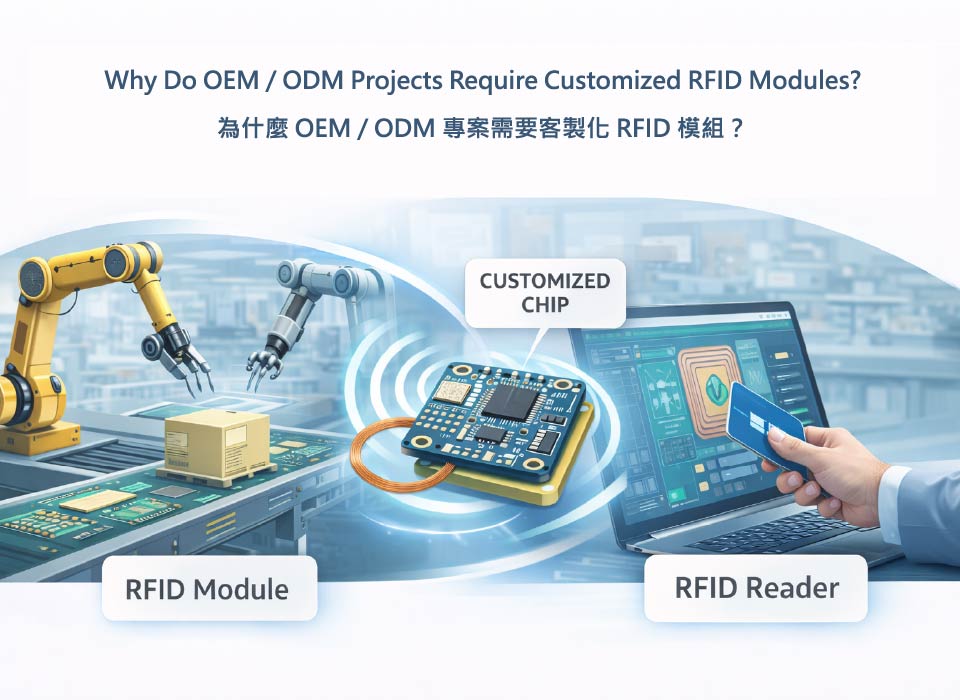
In many OEM/ODM projects, the RFID module serves as a "Gatekeeper" for equipment rather than a door. Common applications include:
Industrial Machine Authorization (Equipment Enable)
Instead of a lock, the RFID module sends a signal to a PLC (Programmable Logic Controller) to enable or disable a high-value machine (e.g., CNC, Forklift, or Medical Imaging equipment). Only authorized personnel can activate the power or specific software features.
Smart Cabinet & Asset Management
In Smart Medical Cabinets or tool tracking systems, the RFID module might trigger a drawer release or simply log which user accessed which item, creating a digital audit trail without traditional external door locks.
Building Management System (BMS) Integration
The RFID module acts as a sensor within a larger smart building network. It communicates via Wiegand, RS-485, or TCP/IP, feeding data to a central server that manages lighting, elevators, or HVAC systems based on occupant identity.
The Module Perspective: Hardware-Agnostic Output
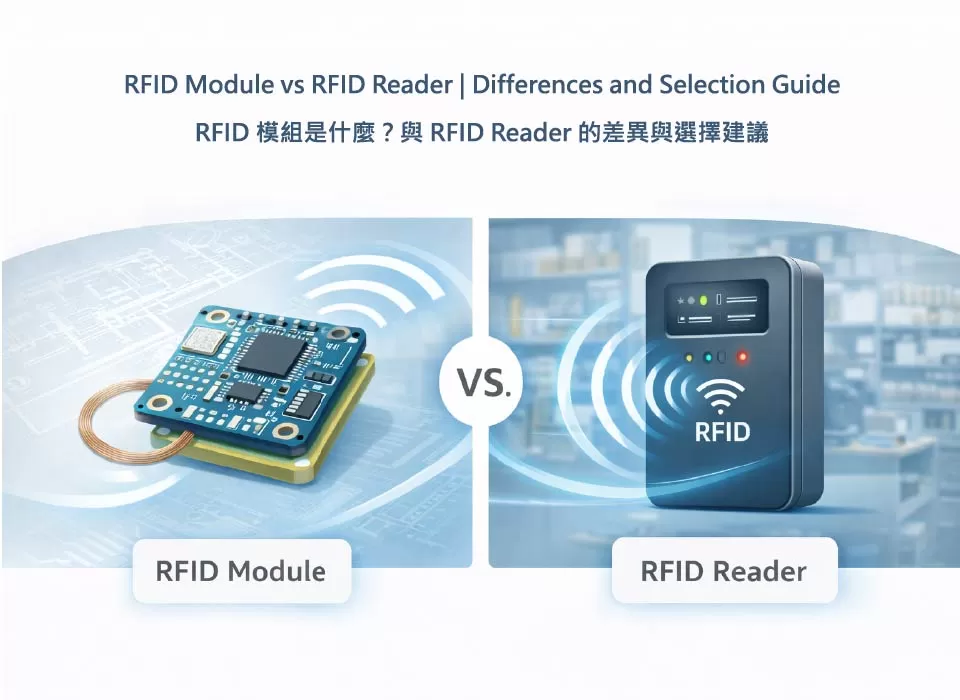
RFID Modules are Interface-Ready, Not Lock-Dependent
From an engineering standpoint, an embedded RFID module does not "know" it is controlling a lock. Its responsibility is to provide clean, reliable communication interfaces:
- Relay/GPIO: For direct dry-contact switching.
- Wiegand 26/34: Standard protocol for legacy access controllers.
- UART / RS-485 / Modbus: For industrial automation and long-distance communication.
- Ethernet/PoE: For modern IoT cloud-based authorization.
Strategic Decision: When to Include an Electric Lock
The decision to include a physical lock is driven by Safety and Compliance, not technology:
- Physical Security: Mandatory for perimeter protection and asset theft prevention.
- Regulatory Standards: Required for fire safety (Fail-Safe/Fail-Secure) in public buildings.
Conclusion: Designing for Logic, Not Just Hardware
An RFID access control system is defined by its Authorization Logic, not its physical actuators. By viewing the RFID module as an independent identification engine, OEM/ODM designers can create more scalable, modular, and cost-effective architectures.
Looking to integrate advanced identity logic into your hardware? Pongee provides a wide range of embedded RFID modules designed for seamless integration into any control architecture.