
RFID Module vs. RFID Reader: A Strategic Integration Guide for OEM & SI
Choosing between an embedded RFID module and a finished RFID reader is a critical architectural decision. It dictates your system's flexibility, final footprint, and overall time-to-market. For Original Equipment Manufacturers (OEMs) and System Integrators (SIs), understanding the technical trade-offs is essential for long-term project success.
What Is an RFID Module? (The Embedded Engine)
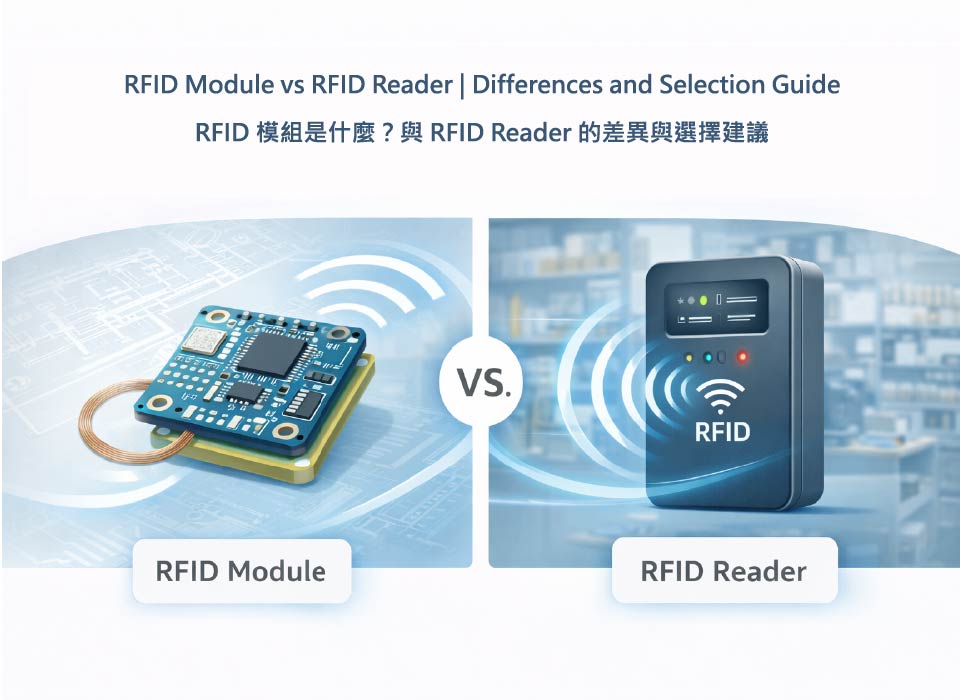
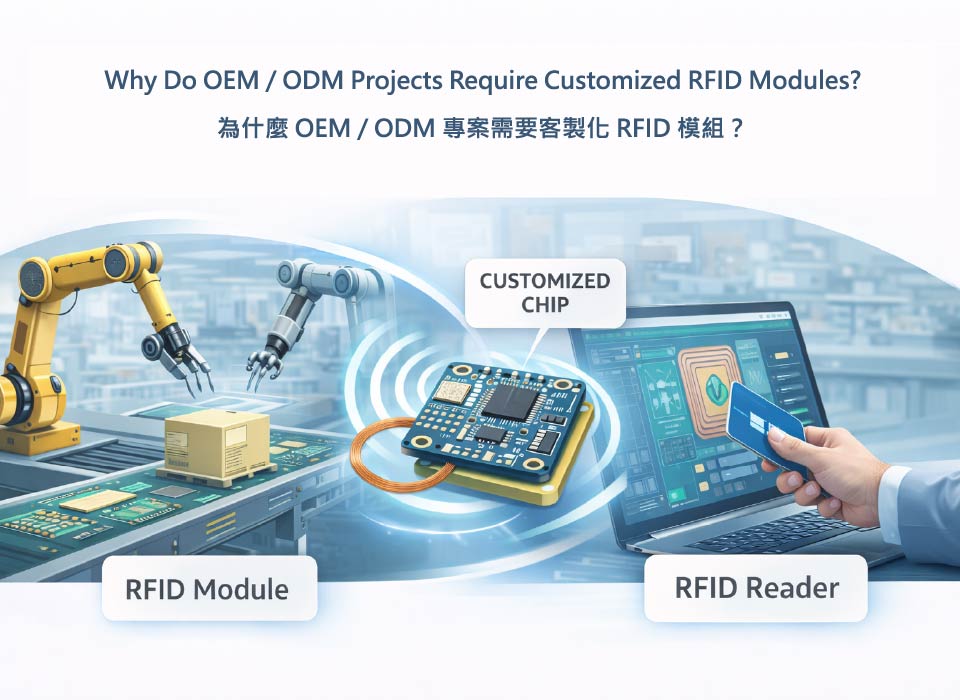
An RFID module acts as the "engine" of an identification system. It is a compact, core component designed to be integrated directly onto a carrier board or within a host device (such as a smart kiosk, medical cabinet, or handheld terminal).
Unlike plug-and-play readers, modules are stripped-down units without external enclosures, focusing on high-performance data processing and seamless hardware communication.
Key Advantages of RFID Modules:
- Embedded Form Factor: Ultra-compact footprints for space-constrained designs.
- Communication Versatility: Direct support for TTL, RS232, USB, or I2C interfaces.
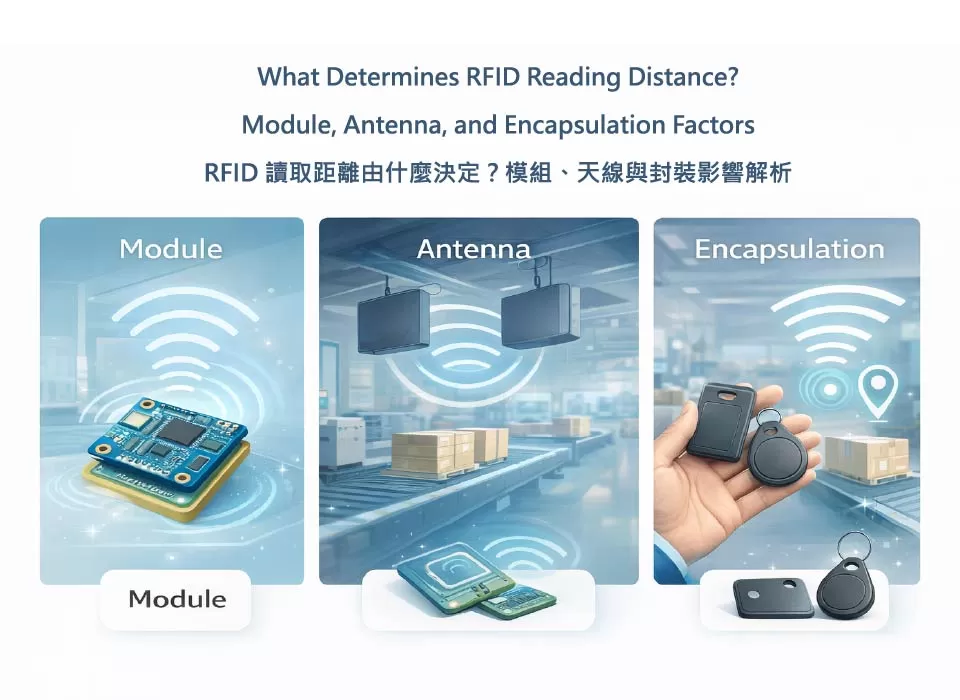
- Antenna Customization: Allows for external or customized antenna tuning to fit specific enclosure materials.
- Long-Term Lifecycle: Guaranteed supply stability for 5-10 year industrial projects.
RFID Reader vs. RFID Module: Critical Technical Differences
While RFID readers are finished, "out-of-the-box" products ideal for standard desktop or wall-mount deployment, they often lack the granular control required for deep system integration.
When to Use Finished RFID Readers
- Plug-and-Play Scenarios: Ideal for rapid prototyping or small-scale office deployments.
- Standard Interfaces: Typically fixed to USB or Ethernet (PoE) with pre-defined enclosures.
- Low Integration Effort: No hardware design knowledge required; suitable for end-user applications.
Comparative Analysis: Strategic Selection Table
- Total Cost of Ownership
| Comparison Aspect | Embedded RFID Module | Finished RFID Reader | ||
|---|---|---|---|---|
| Integration Depth | Deep Hardware Integration (PCB Level) | External / Standalone Deployment | ||
| Hardware Control | Full Control over Signal & Firmware | Fixed Firmware & Standard Features | ||
| Antenna Flexibility | Customizable (Remote or PCB Antenna) | Internal Fixed Antenna | Optimized for High-Volume Production | Higher Unit Cost (Includes Housing) |
| Best Suited For | OEM, ODM & Custom System Design | Testing, Demos & Small Deployments |
Why Industrial OEM Projects Prioritize RFID Modules
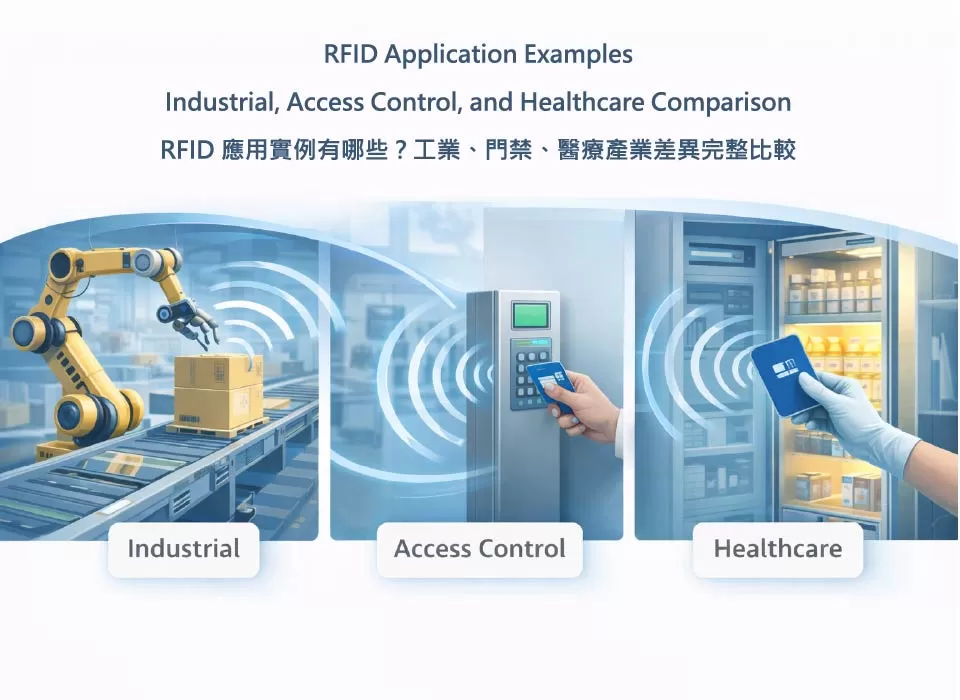
In high-stakes B2B environments—such as Smart City infrastructure or Medical Supply Management—RFID is rarely a standalone device. It must coexist with other sensors and controllers.
RFID modules provide the "Missing Link" by offering:
- Architectural Flexibility: Can be placed deep within a machine's chassis without signal interference issues.
- Custom Firmware Support: Tailoring data output formats to match existing middleware requirements.
- Ruggedness: Designed to withstand industrial temperature ranges and vibrations when soldered/mounted correctly.
How to Decide: The Selection Checklist
- Choose an RFID Reader if: You need a quick proof-of-concept (PoC), a desktop solution, or a simple wall-mounted access control point.
- Choose an RFID Module if: You are designing a proprietary product, require customized antennas, need to minimize unit costs for volume production, or require long-term hardware support (EOL protection).
Conclusion: Optimize Your System Architecture
The choice between an RFID module and a reader isn't just about price—it's about scalability. For system integrators looking to build a unique competitive edge, RFID modules offer the necessary control to create a truly seamless, integrated user experience.
Looking for a custom RFID engine for your next OEM project? Explore Pongee’s range of high-performance modules for industrial applications.